DaVinci Enterprise AI Agent Platform

OVERVIEW

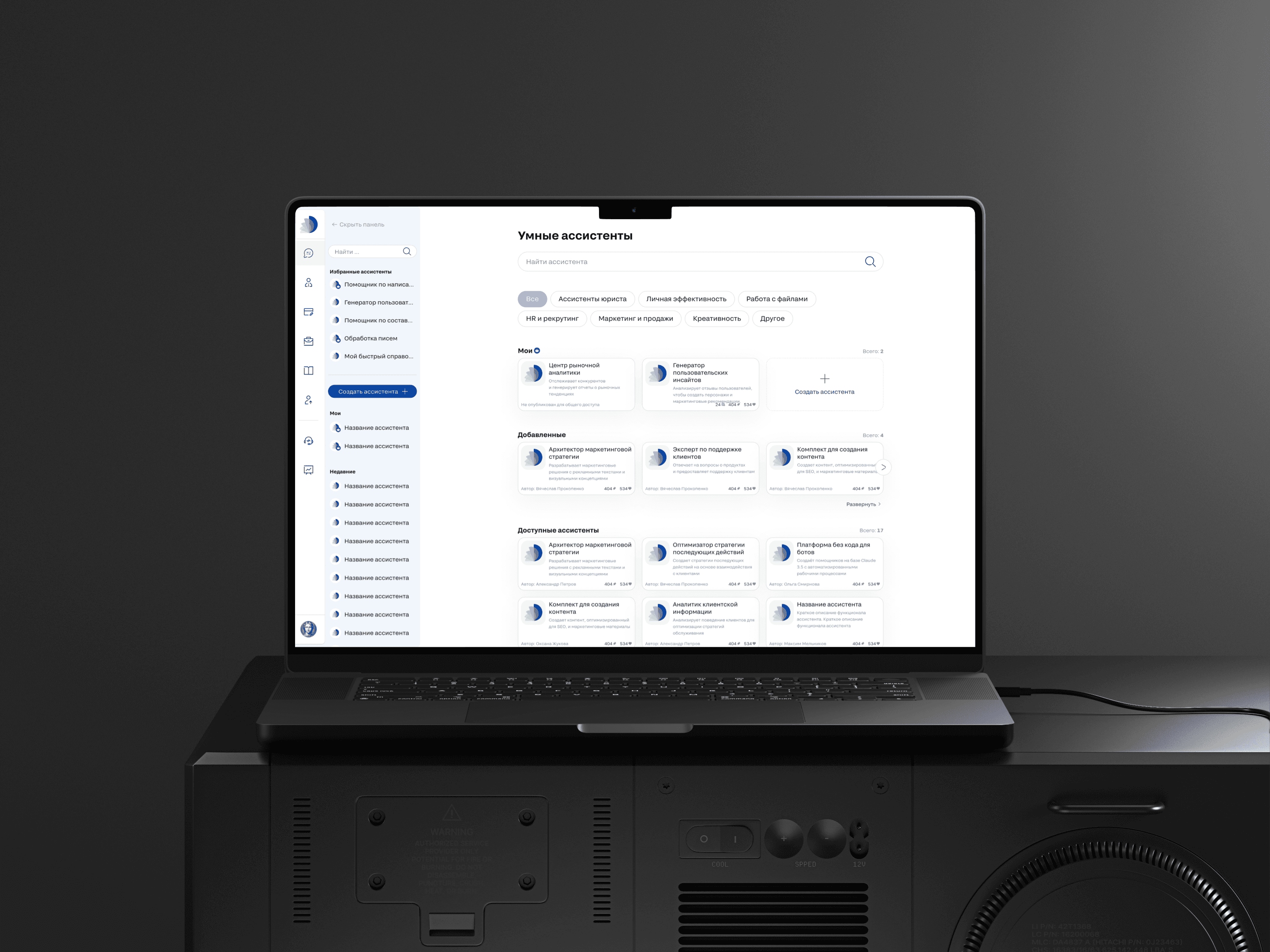
DaVinci is an internal AI platform designed to allow employees to create and use AI agents while keeping corporate data secure inside the company's infrastructure. The platform was built as a safe alternative to external AI tools, ensuring that sensitive corporate data and workflows remain protected while still enabling teams to leverage modern AI capabilities. The system supports both text-based AI agents trained on internal datasets and creative tools such as image generation, integrated directly into corporate services and workflows.

YEAR

2025

ROLE

DESIGN LEAD

About the project

My Role

Design Leadership / Product Design Strategy

Responsibilities included:

  • Directing UX research for the platform

  • Defining early product hypotheses with internal AI ambassadors

  • Helping shape the MVP scope

  • Supporting the lead product designer

  • Establishing DesignOps standards for the AI product team

Design team structure:

  • 1 Lead Product Designer (direct report)

  • 2 Product Designers

Problem

Employees actively experimented with external AI tools, but these solutions created serious data security risks.
Corporate knowledge, documents, and internal processes could not safely be used with public AI platforms.
The company needed a secure internal AI environment where teams could:

  • build AI agents

  • connect them to internal systems

  • work with corporate datasets

  • experiment with AI automation

Research

To shape the product direction, we started with UX research and internal discovery work.

Key steps:

  • Interviews with internal AI power users

  • Workshops with "AI ambassadors" across departments

  • Analysis of real AI usage patterns in the company

Insights revealed that employees wanted:

  • secure access to AI tools

  • simple ways to create task-specific agents

  • integrations with internal corporate systems

MVP Strategy

Based on research, we defined a focused MVP with three core capabilities:

AI Agents

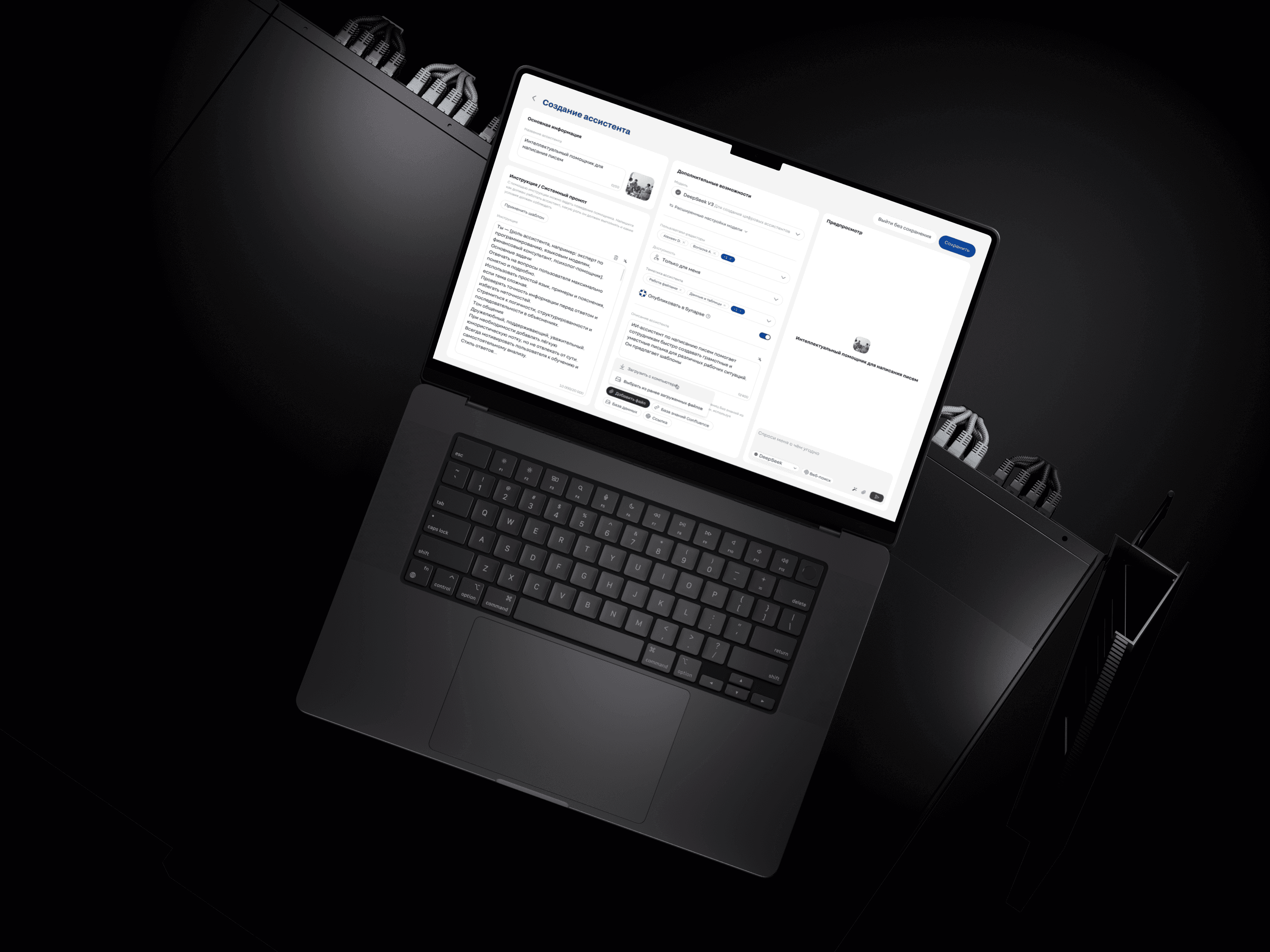
Users can create text-based agents trained on specific datasets and configured for different business tasks.

Enterprise Integrations

Agents can connect to internal corporate services and tools.

Creative AI Tools

The platform also enables image generation using Midjourney-based workflows.

Product Adoption

The platform launched in November 2025.

Within three months the system reached:

  • ~1,300 active users across the company

  • high internal demand for new agents

  • growing interest from multiple departments

Adoption growth is currently constrained primarily by available server infrastructure, which is being expanded gradually.

Impact

The DaVinci platform enabled the company to:

  • safely experiment with AI inside corporate infrastructure

  • accelerate internal automation initiatives

  • enable teams to create custom AI agents for their workflows

The platform roadmap includes 2–3 years of planned expansion, including additional AI capabilities and integrations.

Key Takeaways

Enterprise AI requires strong governance

Security constraints significantly shape product design decisions.

Research-driven discovery is critical for AI products

Understanding real user experimentation patterns helped define a realistic MVP.

DesignOps is essential for scaling AI platforms

Clear UX standards and collaboration processes helped the small design team move quickly.

Product Scope

  • Enterprise AI platform

  • AI agent builder

  • Secure corporate AI environment

  • Internal automation tools

Smooth Scroll
This will hide itself!

DaVinci Enterprise AI Agent Platform

OVERVIEW

DaVinci is an internal AI platform designed to allow employees to create and use AI agents while keeping corporate data secure inside the company's infrastructure. The platform was built as a safe alternative to external AI tools, ensuring that sensitive corporate data and workflows remain protected while still enabling teams to leverage modern AI capabilities. The system supports both text-based AI agents trained on internal datasets and creative tools such as image generation, integrated directly into corporate services and workflows.

YEAR

2025

ROLE

DESIGN LEAD

About the project

My Role

Design Leadership / Product Design Strategy

Responsibilities included:

  • Directing UX research for the platform

  • Defining early product hypotheses with internal AI ambassadors

  • Helping shape the MVP scope

  • Supporting the lead product designer

  • Establishing DesignOps standards for the AI product team

Design team structure:

  • 1 Lead Product Designer (direct report)

  • 2 Product Designers

Problem

Employees actively experimented with external AI tools, but these solutions created serious data security risks.
Corporate knowledge, documents, and internal processes could not safely be used with public AI platforms.
The company needed a secure internal AI environment where teams could:

  • build AI agents

  • connect them to internal systems

  • work with corporate datasets

  • experiment with AI automation

Research

To shape the product direction, we started with UX research and internal discovery work.

Key steps:

  • Interviews with internal AI power users

  • Workshops with "AI ambassadors" across departments

  • Analysis of real AI usage patterns in the company

Insights revealed that employees wanted:

  • secure access to AI tools

  • simple ways to create task-specific agents

  • integrations with internal corporate systems

MVP Strategy

Based on research, we defined a focused MVP with three core capabilities:

AI Agents

Users can create text-based agents trained on specific datasets and configured for different business tasks.

Enterprise Integrations

Agents can connect to internal corporate services and tools.

Creative AI Tools

The platform also enables image generation using Midjourney-based workflows.

Product Adoption

The platform launched in November 2025.

Within three months the system reached:

  • ~1,300 active users across the company

  • high internal demand for new agents

  • growing interest from multiple departments

Adoption growth is currently constrained primarily by available server infrastructure, which is being expanded gradually.

Impact

The DaVinci platform enabled the company to:

  • safely experiment with AI inside corporate infrastructure

  • accelerate internal automation initiatives

  • enable teams to create custom AI agents for their workflows

The platform roadmap includes 2–3 years of planned expansion, including additional AI capabilities and integrations.

Key Takeaways

Enterprise AI requires strong governance

Security constraints significantly shape product design decisions.

Research-driven discovery is critical for AI products

Understanding real user experimentation patterns helped define a realistic MVP.

DesignOps is essential for scaling AI platforms

Clear UX standards and collaboration processes helped the small design team move quickly.

Product Scope

  • Enterprise AI platform

  • AI agent builder

  • Secure corporate AI environment

  • Internal automation tools

Smooth Scroll
This will hide itself!

DaVinci Enterprise AI Agent Platform

OVERVIEW

DaVinci is an internal AI platform designed to allow employees to create and use AI agents while keeping corporate data secure inside the company's infrastructure. The platform was built as a safe alternative to external AI tools, ensuring that sensitive corporate data and workflows remain protected while still enabling teams to leverage modern AI capabilities. The system supports both text-based AI agents trained on internal datasets and creative tools such as image generation, integrated directly into corporate services and workflows.

YEAR

2025

ROLE

DESIGN LEAD

About the project

My Role

Design Leadership / Product Design Strategy

Responsibilities included:

  • Directing UX research for the platform

  • Defining early product hypotheses with internal AI ambassadors

  • Helping shape the MVP scope

  • Supporting the lead product designer

  • Establishing DesignOps standards for the AI product team

Design team structure:

  • 1 Lead Product Designer (direct report)

  • 2 Product Designers

Problem

Employees actively experimented with external AI tools, but these solutions created serious data security risks.
Corporate knowledge, documents, and internal processes could not safely be used with public AI platforms.
The company needed a secure internal AI environment where teams could:

  • build AI agents

  • connect them to internal systems

  • work with corporate datasets

  • experiment with AI automation

Research

To shape the product direction, we started with UX research and internal discovery work.

Key steps:

  • Interviews with internal AI power users

  • Workshops with "AI ambassadors" across departments

  • Analysis of real AI usage patterns in the company

Insights revealed that employees wanted:

  • secure access to AI tools

  • simple ways to create task-specific agents

  • integrations with internal corporate systems

MVP Strategy

Based on research, we defined a focused MVP with three core capabilities:

AI Agents

Users can create text-based agents trained on specific datasets and configured for different business tasks.

Enterprise Integrations

Agents can connect to internal corporate services and tools.

Creative AI Tools

The platform also enables image generation using Midjourney-based workflows.

Product Adoption

The platform launched in November 2025.

Within three months the system reached:

  • ~1,300 active users across the company

  • high internal demand for new agents

  • growing interest from multiple departments

Adoption growth is currently constrained primarily by available server infrastructure, which is being expanded gradually.

Impact

The DaVinci platform enabled the company to:

  • safely experiment with AI inside corporate infrastructure

  • accelerate internal automation initiatives

  • enable teams to create custom AI agents for their workflows

The platform roadmap includes 2–3 years of planned expansion, including additional AI capabilities and integrations.

Key Takeaways

Enterprise AI requires strong governance

Security constraints significantly shape product design decisions.

Research-driven discovery is critical for AI products

Understanding real user experimentation patterns helped define a realistic MVP.

DesignOps is essential for scaling AI platforms

Clear UX standards and collaboration processes helped the small design team move quickly.

Product Scope

  • Enterprise AI platform

  • AI agent builder

  • Secure corporate AI environment

  • Internal automation tools

Smooth Scroll
This will hide itself!

Create a free website with Framer, the website builder loved by startups, designers and agencies.