AllForms: Redefining Online Forms

OVERVIEW

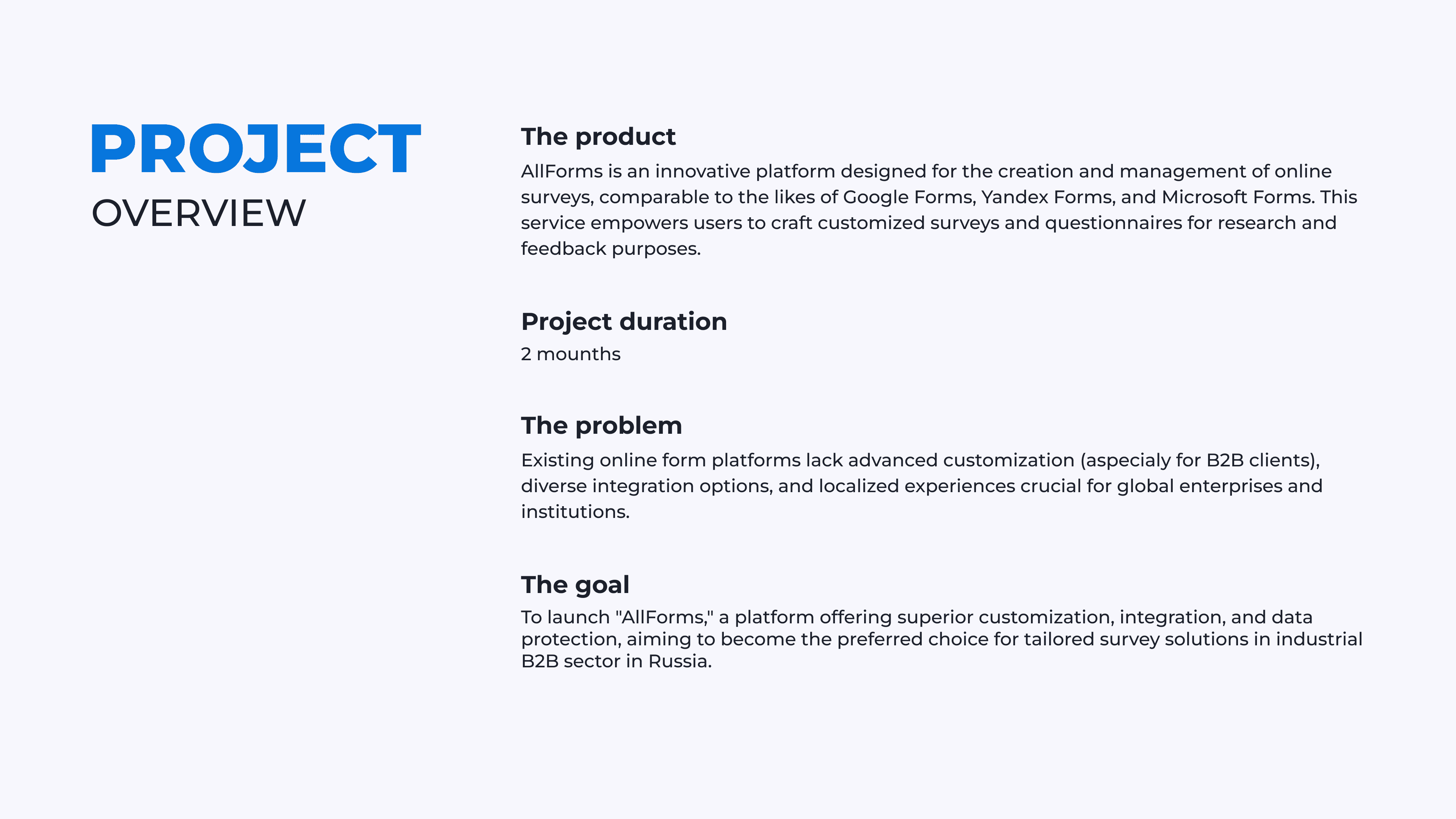
The case study of my work on AllForms, an innovative platform for creating and managing custom online questionnaires and surveys. Positioned as a unique alternative to Google Forms, Yandex Forms, and Microsoft Forms, AllForms empowers users to design tailored forms for research and feedback with an intuitive experience.

YEAR

2025

ROLE

Product Designer

About the project


Problem Statement

The existing solution suffered from a fragmented user experience, ineffective workflows, and outdated frameworks, leading to inefficiencies for users and teams. Additionally, communication challenges between design and development, along with technical limitations of design tools, impeded product progress.

The key problems included:

  1. User Frustration: Complex, illogical paths made form creation and management slow and inefficient.

  2. Design-Development Misalignment: Lack of collaboration slowed project delivery.

  3. Limited Design Flexibility: Constraints of the free Ant library hindered the implementation of modern solutions.

Addressing these problems was critical to improving task completion time, usability, and design efficiency.


Research and Insights

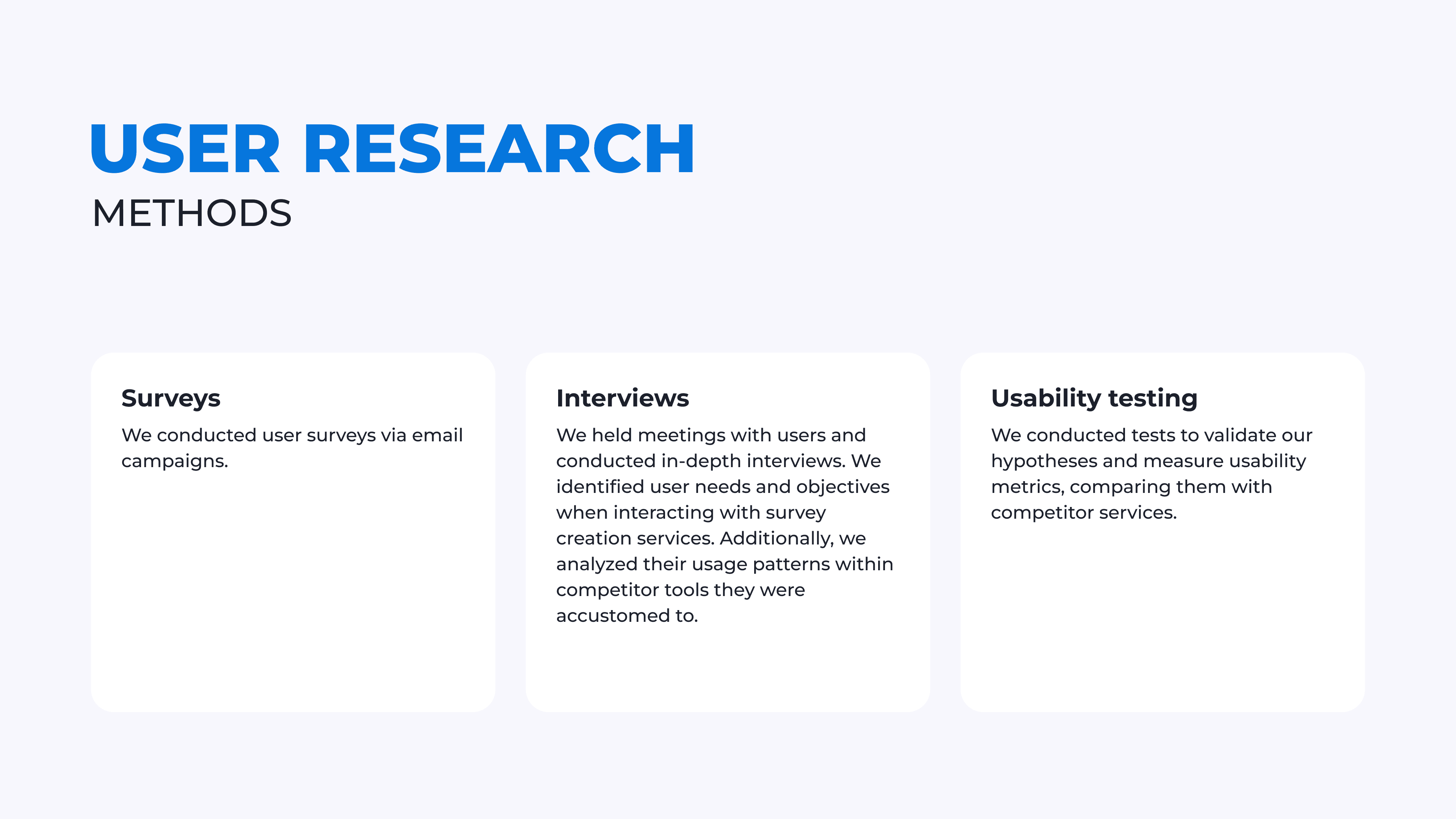
To ensure a user-centric redesign, we conducted:

  • User Interviews: Engaged current users to identify pain points in the old solution.

  • Surveys: Collected quantitative insights on task complexity and priorities.

  • Usability Testing: Measured task completion speed, success rates, and user satisfaction.

  • Competitive Analysis: Benchmarked against existing solutions like Google Forms and Microsoft Forms.

Key insights revealed:

  • Users struggled with slow workflows and unintuitive navigation.

  • Feature gaps, such as form-sharing, lacked efficiency compared to competitors.

  • Developers faced communication challenges due to undefined processes and tools.


Ideation and Concept Development

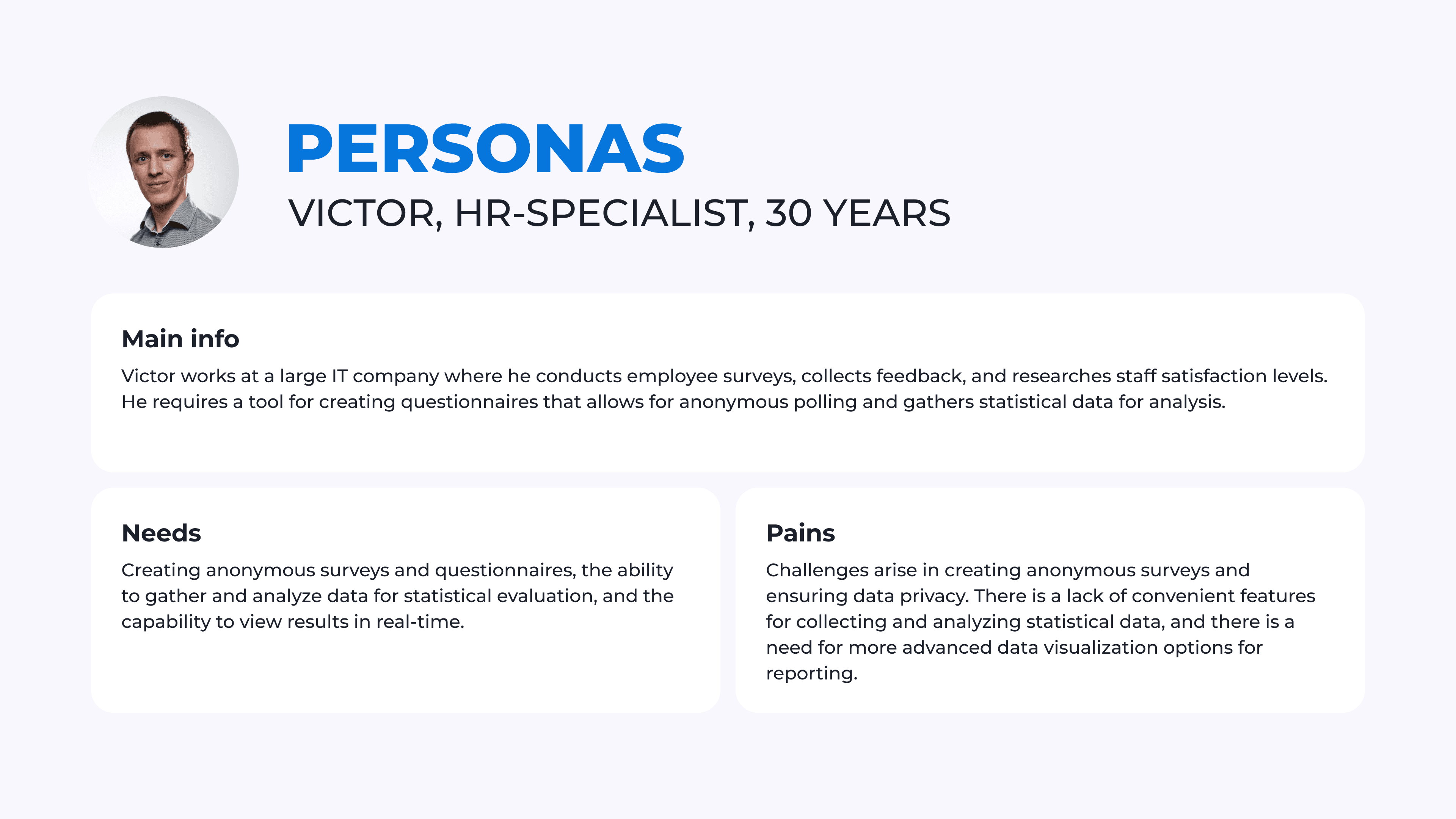
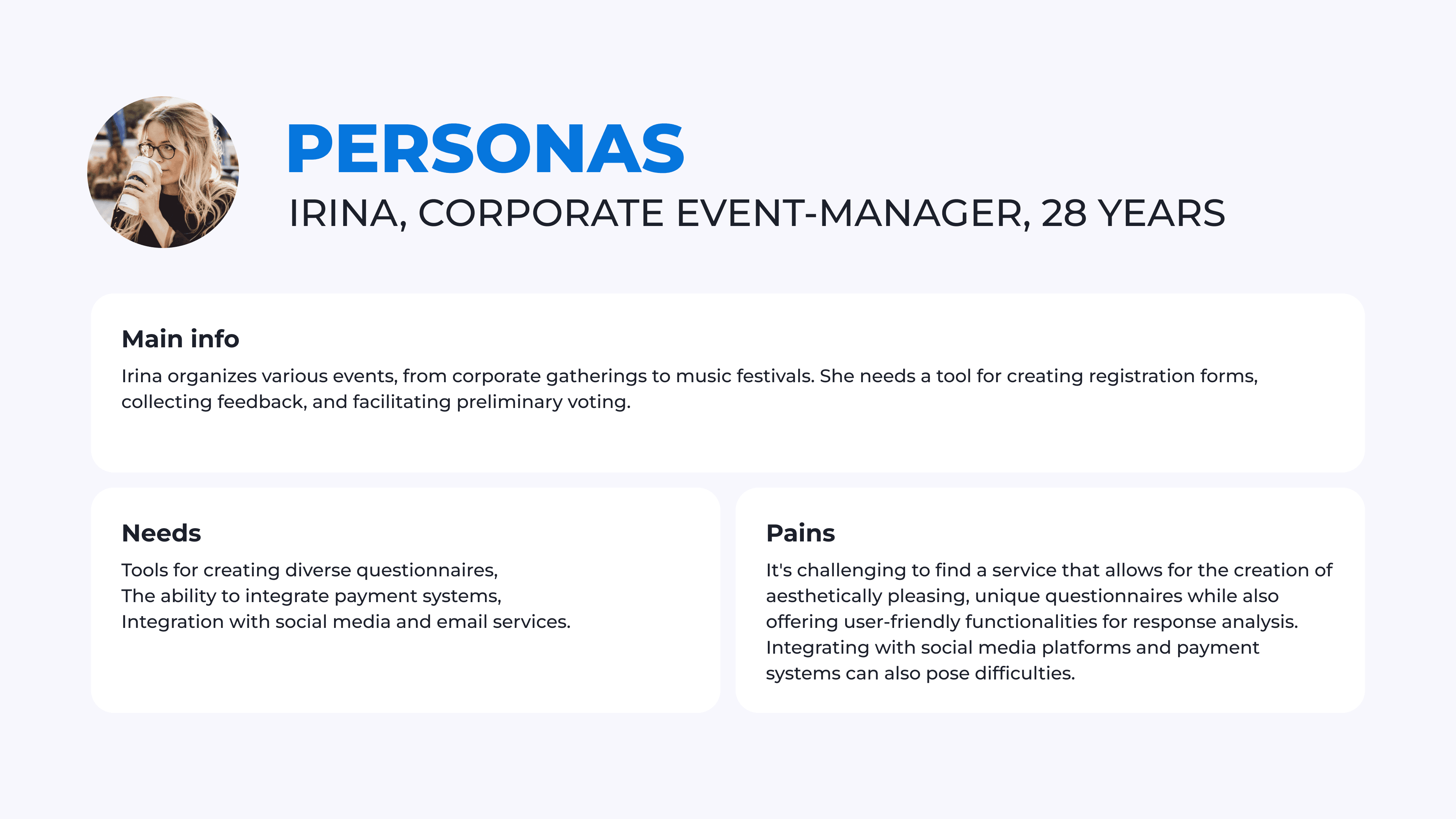
We approached the redesign through collaborative ideation:

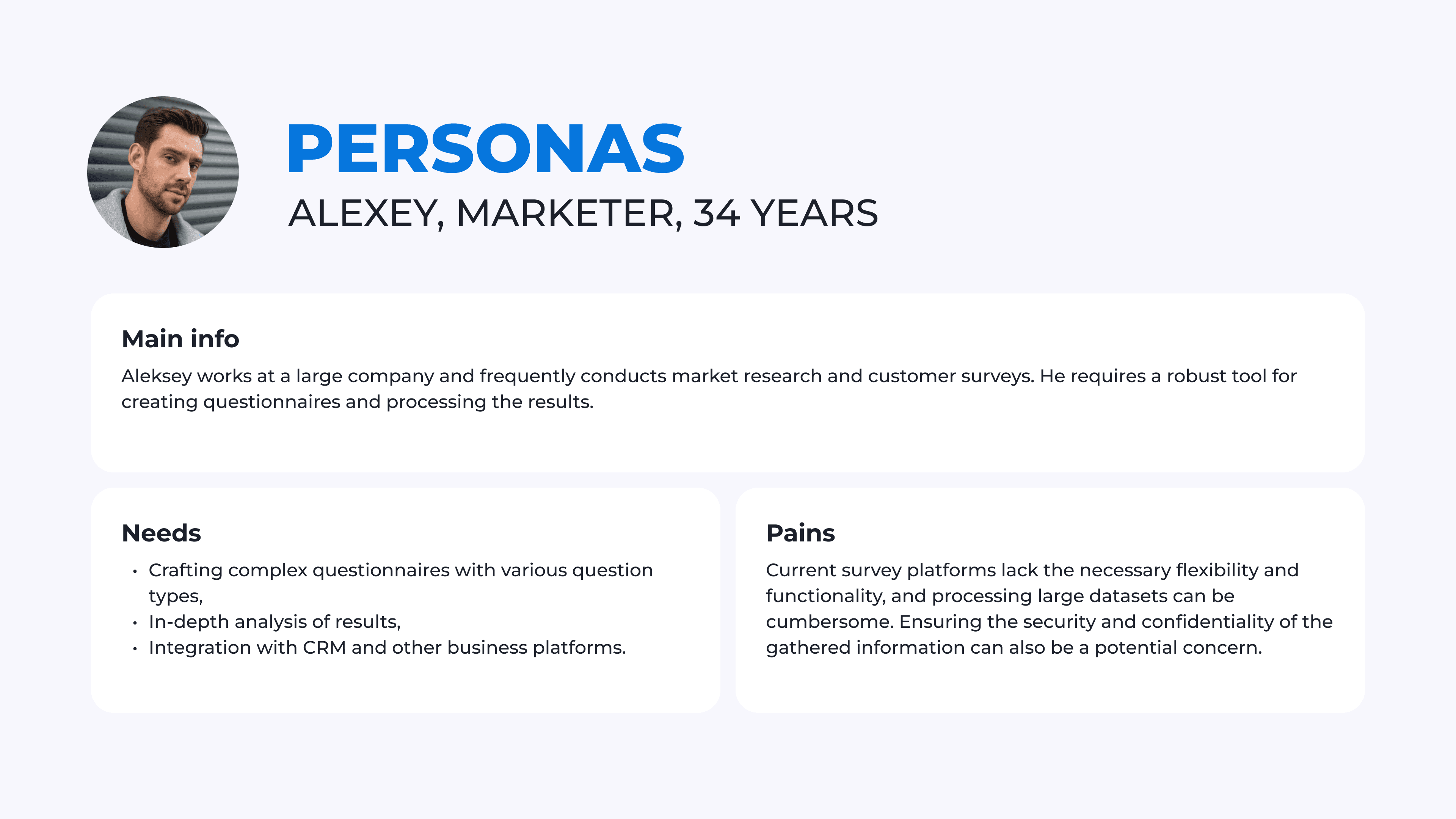
  • Personas, Empathy Maps, and JTBD: To empathize with users and prioritize their goals.

  • User Journey Maps (UJMs): To uncover pain points and streamline paths.

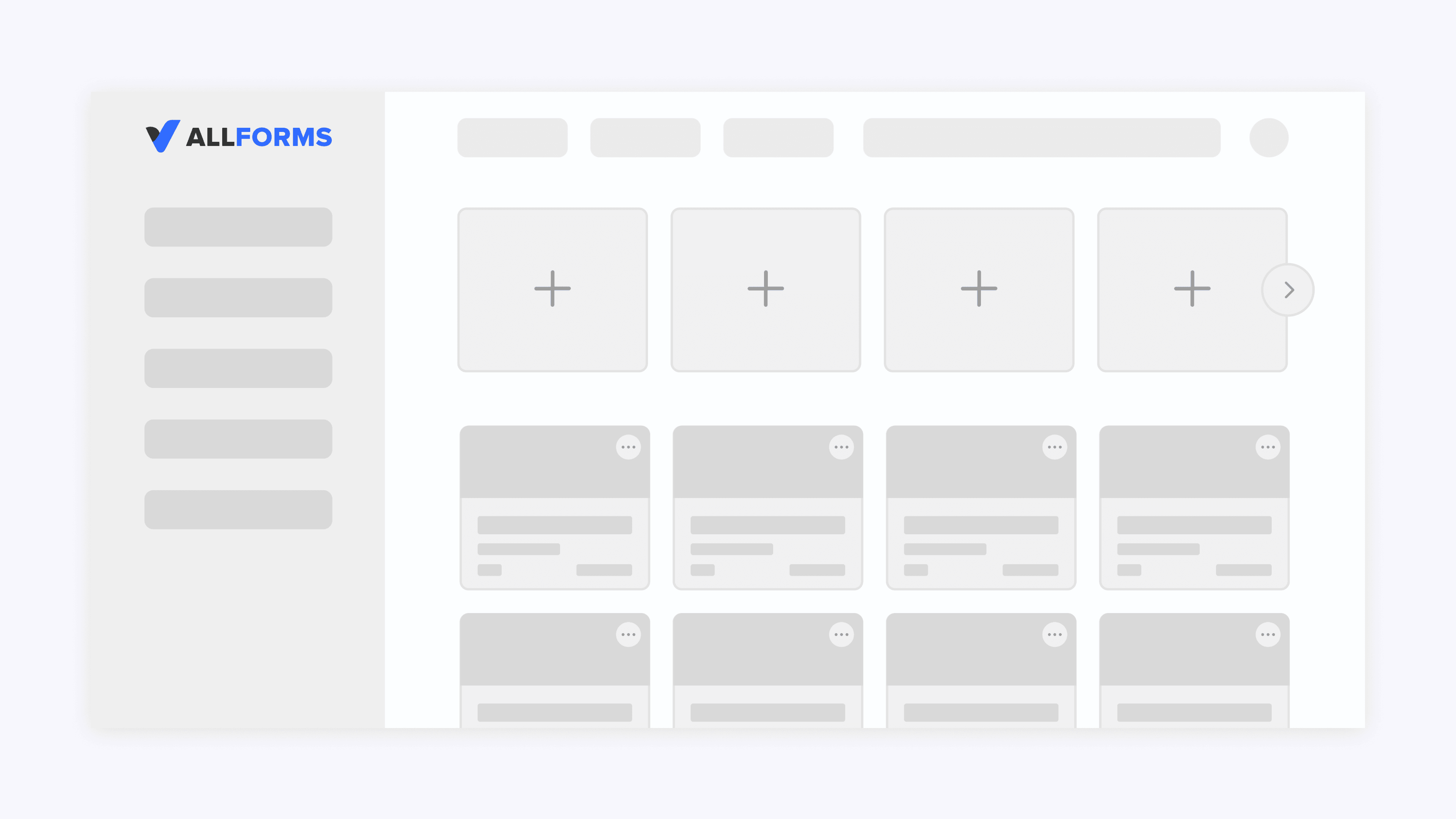
  • User Flows and Wireframing: Simplified key workflows such as form creation, editing, and sharing.


After two weeks, we presented the initial concepts and conducted corridor testing to validate the redesigned UX.

Our iterative design process included:

  1. Low-Fidelity Wireframes: Focused on mapping user flows for key tasks.

  2. Interactive Prototypes: Created high-fidelity designs in Figma using Ant Design to test scenarios.

  3. Usability Testing: Users completed tasks like creating, editing, and sharing a questionnaire. Metrics included speed, success rate, and user satisfaction.

  4. Dark Theme Implementation: Expanded capabilities with a licensed Ant Design library, ensuring consistency across themes.


Wireframe concept


Challenges and Solutions

Challenge 1: Complex, illogical user paths caused frustration and inefficiency.Solution: Conducted deep user research and rebuilt workflows from the ground up, resulting in 43% faster task completion.

Challenge 2: Design-Development Misalignment created delays.Solution: Introduced regular synchronizations and a design-development pipeline using tokens, improving speed and coordination.

Challenge 3: Limited Design Flexibility with the free Ant library.Solution: Transitioned to a licensed version of Ant Design, enabling modern visuals, dark theme integration, and improved consistency.


Final Outcome

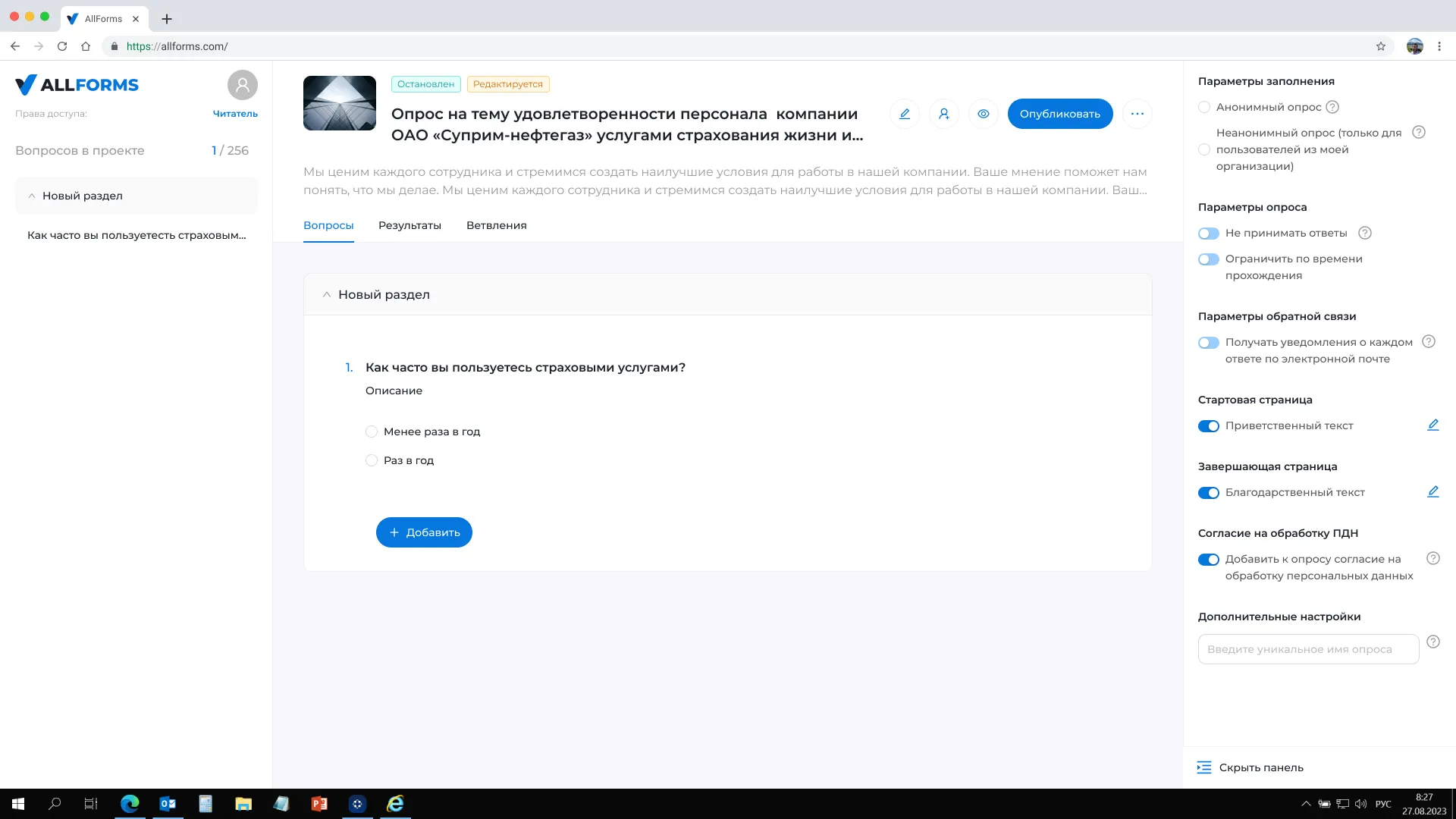
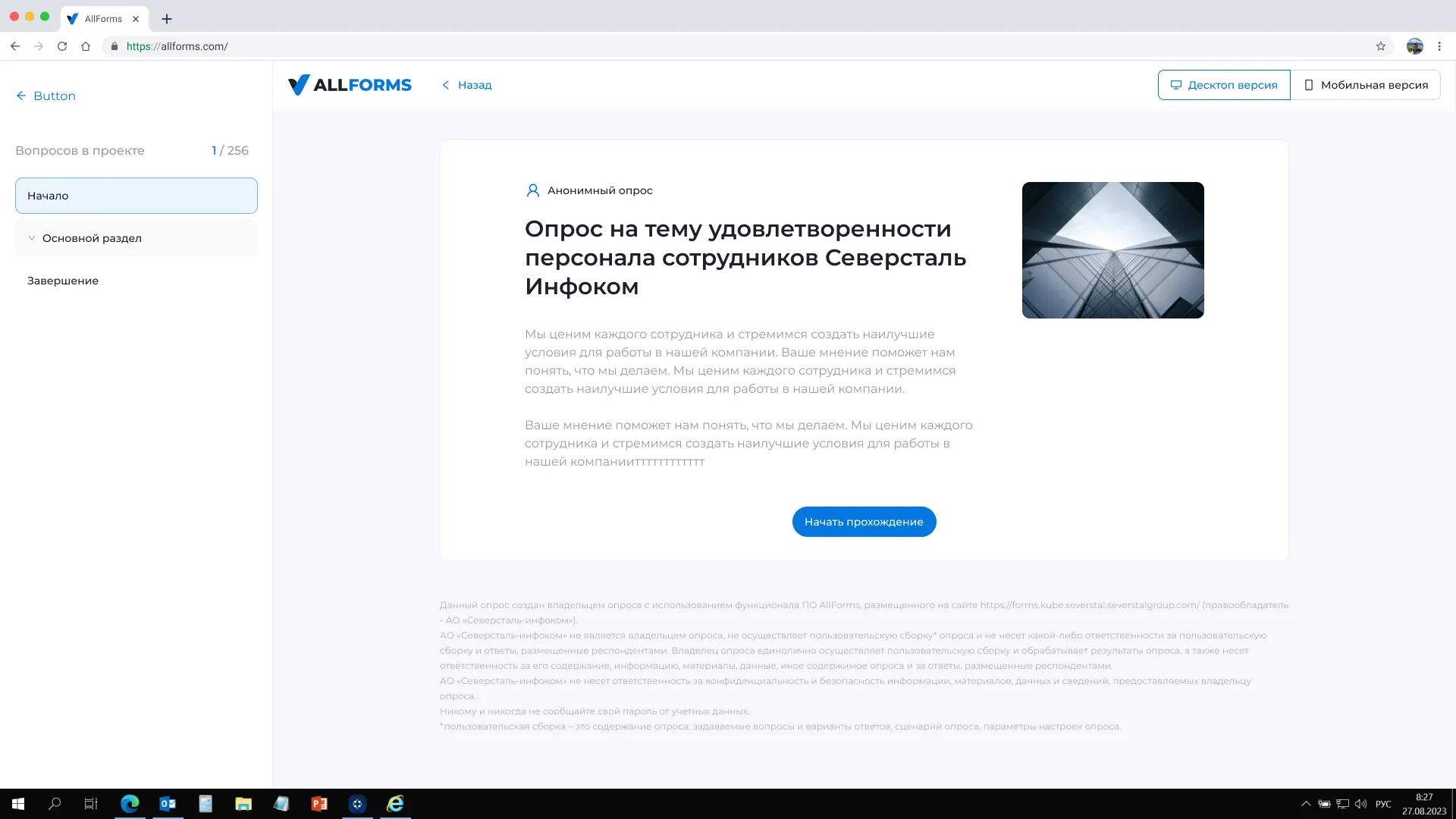
Main PageForm ConstructorForm View


The new version of AllForms delivered significant improvements:

  • 43% Faster completion of key user tasks (e.g., form creation, editing, and sharing).

  • 80% User Satisfaction: Users rated the new interface 5 out of 5 for ease of use and efficiency.

  • Enhanced Design-Development Pipeline: Integrated design tokens and a robust Ant system design.

  • Dark Theme Implementation: Improved user satisfaction and expanded the product's audience.

  • Usability Testing Standards: A consistent framework for testing was introduced, fostering a user-centered design approach.


Learnings and Reflections

This project reinforced the importance of user research, iterative testing, and effective team collaboration. Key takeaways include:

  • A strong design-development process accelerates product delivery and reduces friction.

  • Licensing the right tools, like Ant Design, unlocks modern design capabilities and scalability.

  • Early stakeholder alignment and user testing are critical to achieving impactful outcomes.


Conclusion

AllForms is now an intuitive, efficient platform that simplifies form creation and management. By redesigning user flows, improving design-development processes, and implementing modern features like dark mode, we created a solution that meets user needs while exceeding market standards.

The next steps involve continuous monitoring, gathering feedback, and enhancing the platform with advanced form analytics and automation features.

Smooth Scroll
This will hide itself!

AllForms: Redefining Online Forms

OVERVIEW

The case study of my work on AllForms, an innovative platform for creating and managing custom online questionnaires and surveys. Positioned as a unique alternative to Google Forms, Yandex Forms, and Microsoft Forms, AllForms empowers users to design tailored forms for research and feedback with an intuitive experience.

YEAR

2025

ROLE

Product Designer

About the project


Problem Statement

The existing solution suffered from a fragmented user experience, ineffective workflows, and outdated frameworks, leading to inefficiencies for users and teams. Additionally, communication challenges between design and development, along with technical limitations of design tools, impeded product progress.

The key problems included:

  1. User Frustration: Complex, illogical paths made form creation and management slow and inefficient.

  2. Design-Development Misalignment: Lack of collaboration slowed project delivery.

  3. Limited Design Flexibility: Constraints of the free Ant library hindered the implementation of modern solutions.

Addressing these problems was critical to improving task completion time, usability, and design efficiency.


Research and Insights

To ensure a user-centric redesign, we conducted:

  • User Interviews: Engaged current users to identify pain points in the old solution.

  • Surveys: Collected quantitative insights on task complexity and priorities.

  • Usability Testing: Measured task completion speed, success rates, and user satisfaction.

  • Competitive Analysis: Benchmarked against existing solutions like Google Forms and Microsoft Forms.

Key insights revealed:

  • Users struggled with slow workflows and unintuitive navigation.

  • Feature gaps, such as form-sharing, lacked efficiency compared to competitors.

  • Developers faced communication challenges due to undefined processes and tools.


Ideation and Concept Development

We approached the redesign through collaborative ideation:

  • Personas, Empathy Maps, and JTBD: To empathize with users and prioritize their goals.

  • User Journey Maps (UJMs): To uncover pain points and streamline paths.

  • User Flows and Wireframing: Simplified key workflows such as form creation, editing, and sharing.


After two weeks, we presented the initial concepts and conducted corridor testing to validate the redesigned UX.

Our iterative design process included:

  1. Low-Fidelity Wireframes: Focused on mapping user flows for key tasks.

  2. Interactive Prototypes: Created high-fidelity designs in Figma using Ant Design to test scenarios.

  3. Usability Testing: Users completed tasks like creating, editing, and sharing a questionnaire. Metrics included speed, success rate, and user satisfaction.

  4. Dark Theme Implementation: Expanded capabilities with a licensed Ant Design library, ensuring consistency across themes.


Wireframe concept


Challenges and Solutions

Challenge 1: Complex, illogical user paths caused frustration and inefficiency.Solution: Conducted deep user research and rebuilt workflows from the ground up, resulting in 43% faster task completion.

Challenge 2: Design-Development Misalignment created delays.Solution: Introduced regular synchronizations and a design-development pipeline using tokens, improving speed and coordination.

Challenge 3: Limited Design Flexibility with the free Ant library.Solution: Transitioned to a licensed version of Ant Design, enabling modern visuals, dark theme integration, and improved consistency.


Final Outcome

Main PageForm ConstructorForm View


The new version of AllForms delivered significant improvements:

  • 43% Faster completion of key user tasks (e.g., form creation, editing, and sharing).

  • 80% User Satisfaction: Users rated the new interface 5 out of 5 for ease of use and efficiency.

  • Enhanced Design-Development Pipeline: Integrated design tokens and a robust Ant system design.

  • Dark Theme Implementation: Improved user satisfaction and expanded the product's audience.

  • Usability Testing Standards: A consistent framework for testing was introduced, fostering a user-centered design approach.


Learnings and Reflections

This project reinforced the importance of user research, iterative testing, and effective team collaboration. Key takeaways include:

  • A strong design-development process accelerates product delivery and reduces friction.

  • Licensing the right tools, like Ant Design, unlocks modern design capabilities and scalability.

  • Early stakeholder alignment and user testing are critical to achieving impactful outcomes.


Conclusion

AllForms is now an intuitive, efficient platform that simplifies form creation and management. By redesigning user flows, improving design-development processes, and implementing modern features like dark mode, we created a solution that meets user needs while exceeding market standards.

The next steps involve continuous monitoring, gathering feedback, and enhancing the platform with advanced form analytics and automation features.

Smooth Scroll
This will hide itself!

AllForms: Redefining Online Forms

OVERVIEW

The case study of my work on AllForms, an innovative platform for creating and managing custom online questionnaires and surveys. Positioned as a unique alternative to Google Forms, Yandex Forms, and Microsoft Forms, AllForms empowers users to design tailored forms for research and feedback with an intuitive experience.

YEAR

2025

ROLE

Product Designer

About the project


Problem Statement

The existing solution suffered from a fragmented user experience, ineffective workflows, and outdated frameworks, leading to inefficiencies for users and teams. Additionally, communication challenges between design and development, along with technical limitations of design tools, impeded product progress.

The key problems included:

  1. User Frustration: Complex, illogical paths made form creation and management slow and inefficient.

  2. Design-Development Misalignment: Lack of collaboration slowed project delivery.

  3. Limited Design Flexibility: Constraints of the free Ant library hindered the implementation of modern solutions.

Addressing these problems was critical to improving task completion time, usability, and design efficiency.


Research and Insights

To ensure a user-centric redesign, we conducted:

  • User Interviews: Engaged current users to identify pain points in the old solution.

  • Surveys: Collected quantitative insights on task complexity and priorities.

  • Usability Testing: Measured task completion speed, success rates, and user satisfaction.

  • Competitive Analysis: Benchmarked against existing solutions like Google Forms and Microsoft Forms.

Key insights revealed:

  • Users struggled with slow workflows and unintuitive navigation.

  • Feature gaps, such as form-sharing, lacked efficiency compared to competitors.

  • Developers faced communication challenges due to undefined processes and tools.


Ideation and Concept Development

We approached the redesign through collaborative ideation:

  • Personas, Empathy Maps, and JTBD: To empathize with users and prioritize their goals.

  • User Journey Maps (UJMs): To uncover pain points and streamline paths.

  • User Flows and Wireframing: Simplified key workflows such as form creation, editing, and sharing.


After two weeks, we presented the initial concepts and conducted corridor testing to validate the redesigned UX.

Our iterative design process included:

  1. Low-Fidelity Wireframes: Focused on mapping user flows for key tasks.

  2. Interactive Prototypes: Created high-fidelity designs in Figma using Ant Design to test scenarios.

  3. Usability Testing: Users completed tasks like creating, editing, and sharing a questionnaire. Metrics included speed, success rate, and user satisfaction.

  4. Dark Theme Implementation: Expanded capabilities with a licensed Ant Design library, ensuring consistency across themes.

Wireframe concept


Challenges and Solutions

Challenge 1: Complex, illogical user paths caused frustration and inefficiency.Solution: Conducted deep user research and rebuilt workflows from the ground up, resulting in 43% faster task completion.

Challenge 2: Design-Development Misalignment created delays.Solution: Introduced regular synchronizations and a design-development pipeline using tokens, improving speed and coordination.

Challenge 3: Limited Design Flexibility with the free Ant library.Solution: Transitioned to a licensed version of Ant Design, enabling modern visuals, dark theme integration, and improved consistency.


Final Outcome
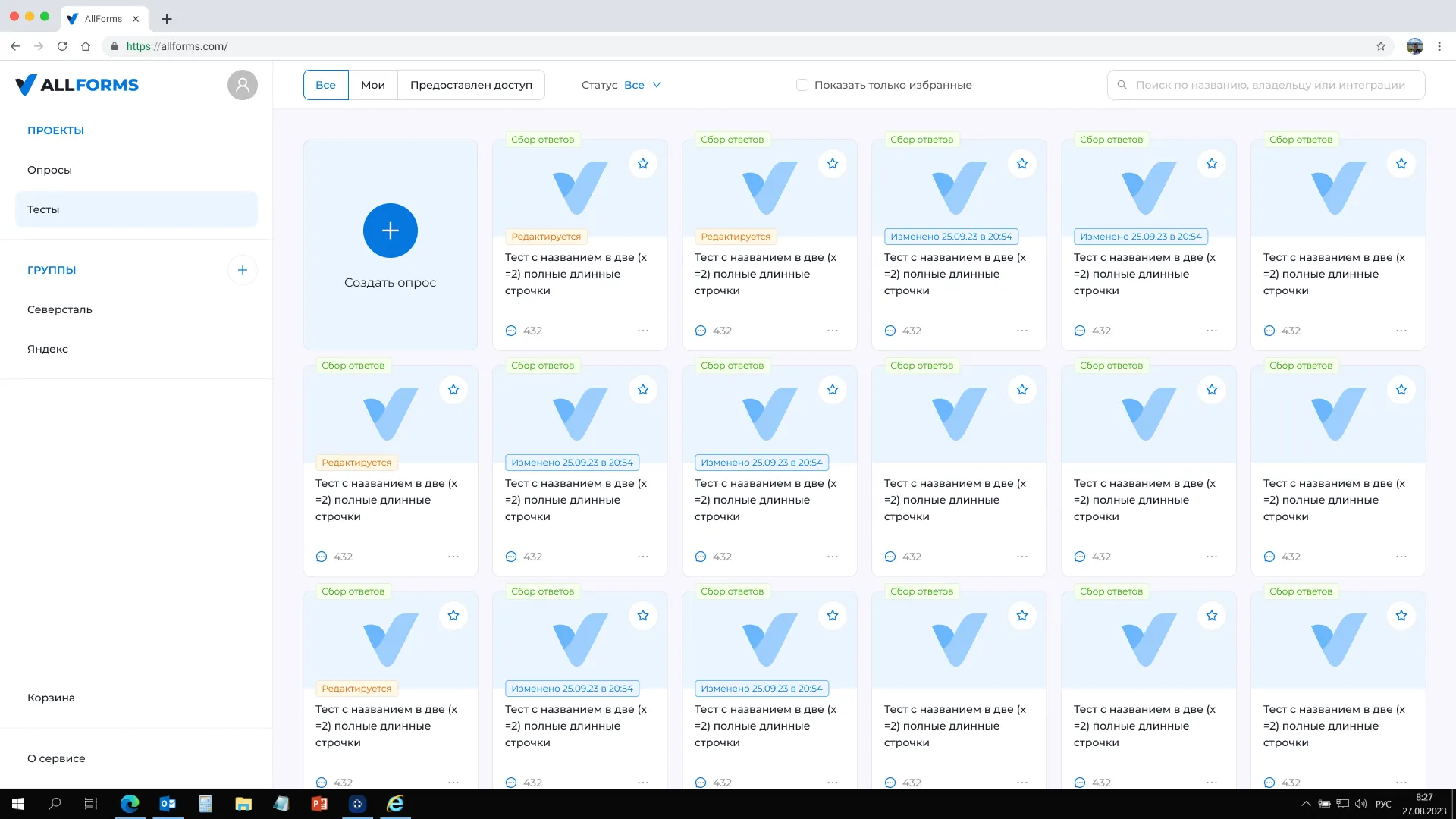
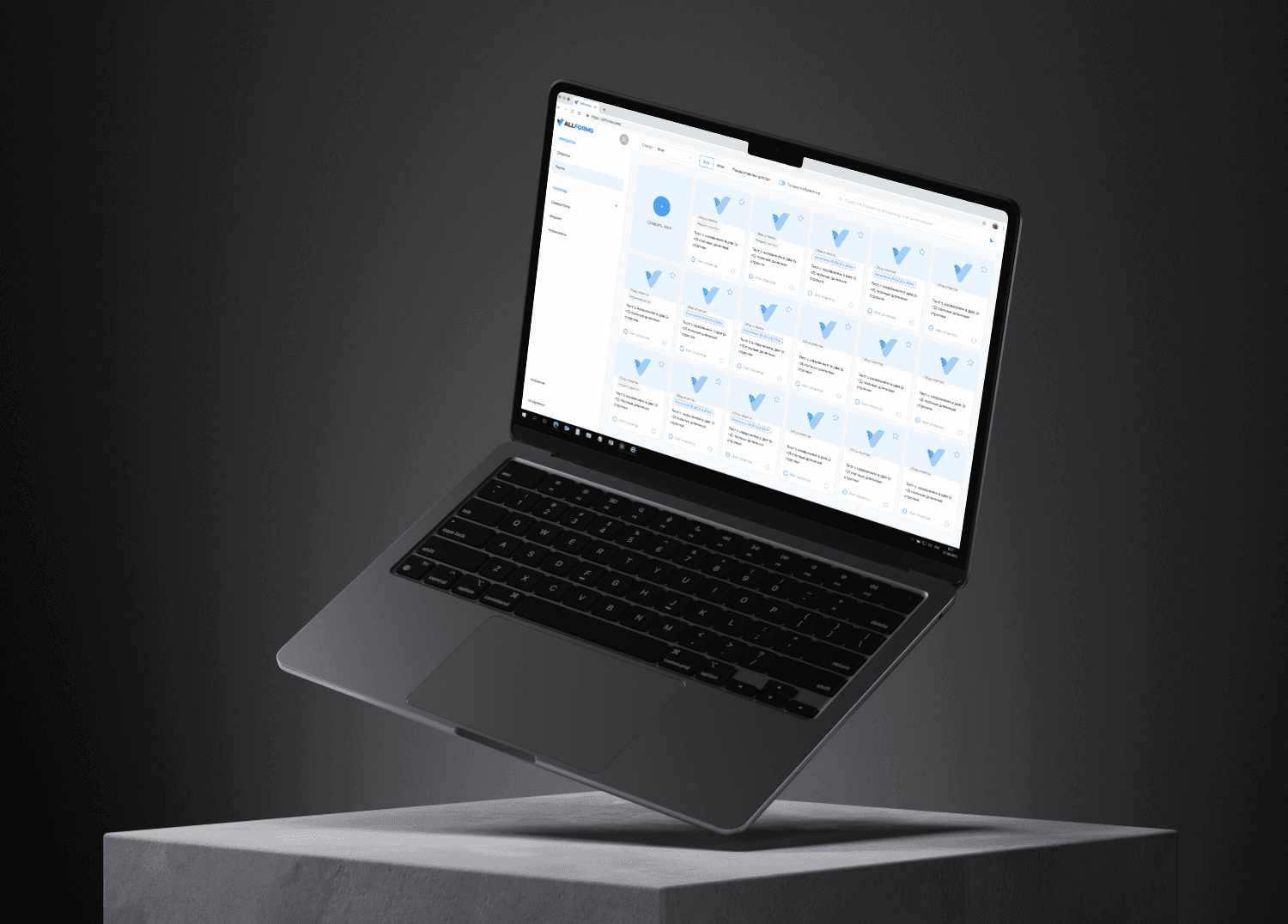
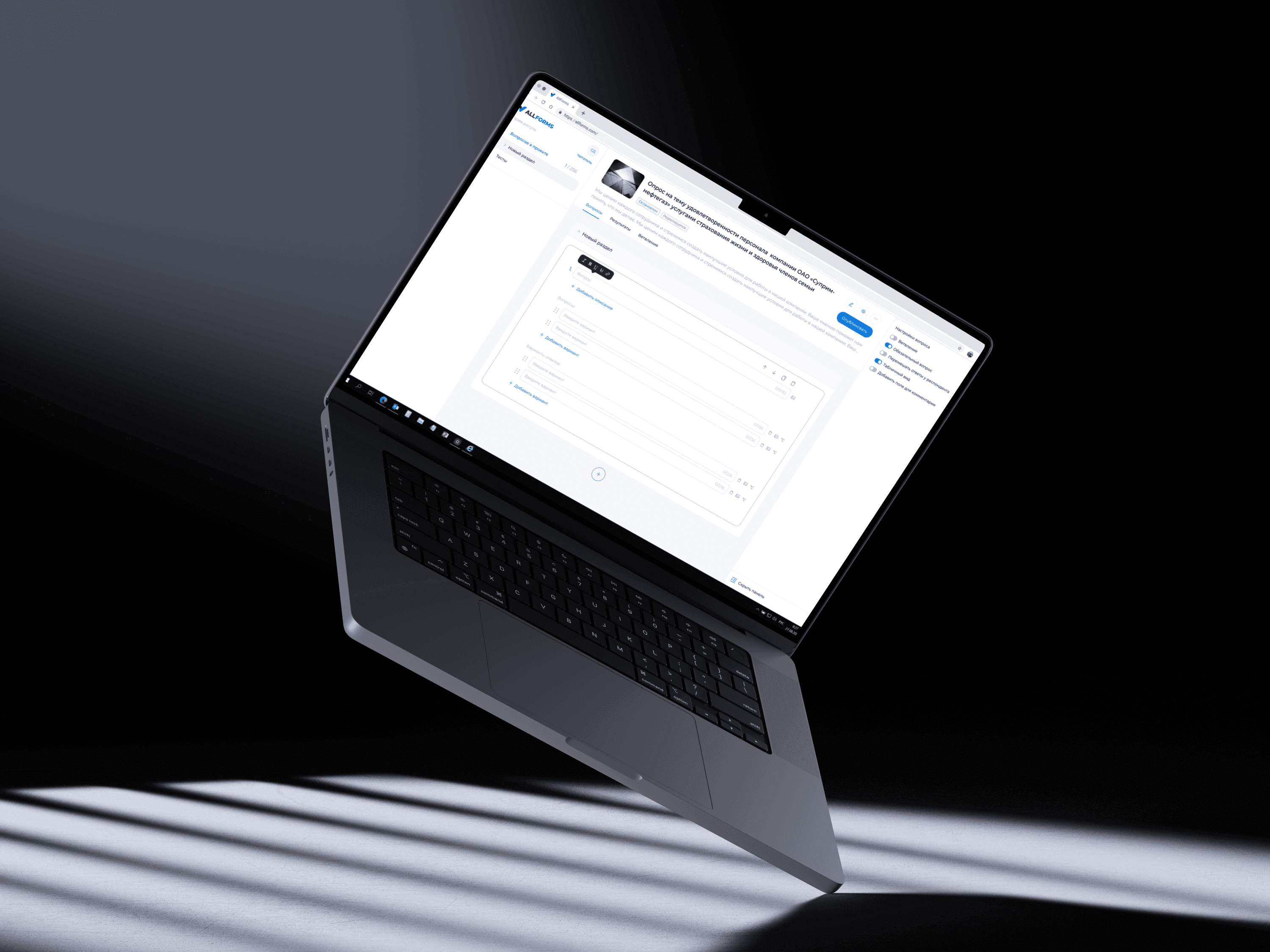
Main PageForm ConstructorForm View


The new version of AllForms delivered significant improvements:

  • 43% Faster completion of key user tasks (e.g., form creation, editing, and sharing).

  • 80% User Satisfaction: Users rated the new interface 5 out of 5 for ease of use and efficiency.

  • Enhanced Design-Development Pipeline: Integrated design tokens and a robust Ant system design.

  • Dark Theme Implementation: Improved user satisfaction and expanded the product's audience.

  • Usability Testing Standards: A consistent framework for testing was introduced, fostering a user-centered design approach.


Learnings and Reflections

This project reinforced the importance of user research, iterative testing, and effective team collaboration. Key takeaways include:

  • A strong design-development process accelerates product delivery and reduces friction.

  • Licensing the right tools, like Ant Design, unlocks modern design capabilities and scalability.

  • Early stakeholder alignment and user testing are critical to achieving impactful outcomes.


Conclusion

AllForms is now an intuitive, efficient platform that simplifies form creation and management. By redesigning user flows, improving design-development processes, and implementing modern features like dark mode, we created a solution that meets user needs while exceeding market standards.

The next steps involve continuous monitoring, gathering feedback, and enhancing the platform with advanced form analytics and automation features.
Smooth Scroll
This will hide itself!

Create a free website with Framer, the website builder loved by startups, designers and agencies.